

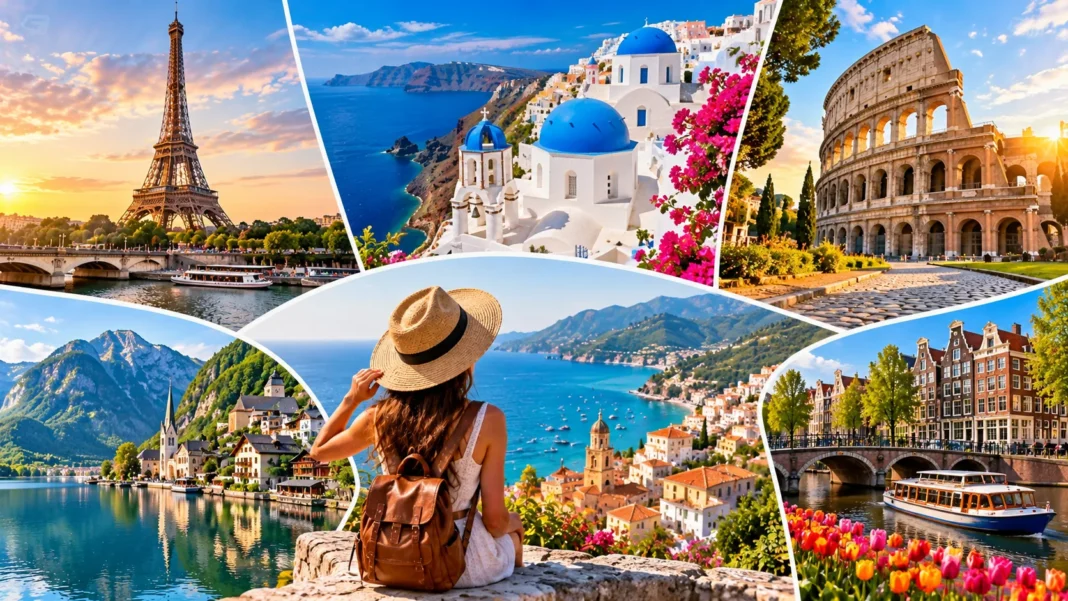
Europe is one of the world’s most exciting travel regions, offering a remarkable combination of historic cities, breathtaking landscapes, beautiful beaches, and diverse cultural experiences. From romantic streets in Paris to ancient landmarks in Rome and spectacular mountain scenery in Switzerland, the continent provides unforgettable adventures for every type of traveler. Discovering the best places to go in Europe allows visitors to explore famous attractions while experiencing different traditions, cuisines, and architectural styles.
Whether you are planning your first European vacation, a family holiday, or an exciting multi-country adventure, Europe offers destinations suited to different interests and budgets. You can visit world-famous museums, explore medieval towns, relax along Mediterranean coastlines, and discover charming villages surrounded by natural beauty. Excellent transportation connections also make it possible to combine several destinations within one carefully organized trip.
This comprehensive Europe travel guide explores top destinations, must-see attractions, unforgettable experiences, and practical travel ideas. You will discover beautiful cities, scenic regions, cultural highlights, and useful planning tips for your journey. With thoughtful preparation, you can create a memorable European itinerary that balances famous landmarks, local discoveries, and relaxing experiences.
1. Paris, France – Experience Art, Culture, and Iconic Landmarks
Paris is one of the most famous destinations in Europe, celebrated for its elegant architecture, world-class museums, charming neighborhoods, and unforgettable landmarks. The French capital attracts travelers interested in history, fashion, art, and culinary experiences. Its beautiful streets and riverside scenery create an atmosphere that makes exploring the city enjoyable throughout different seasons.
The Eiffel Tower is among the city’s most recognizable attractions, offering impressive views across the surrounding urban landscape. Visitors can also explore the Louvre Museum, admire Notre-Dame Cathedral, and walk along the Seine River. Neighborhoods such as Montmartre feature artistic traditions, attractive streets, and inviting cafés that reveal a different side of Paris.
For a memorable experience, combine major sightseeing with relaxed neighborhood exploration rather than visiting every attraction in one day. Enjoy traditional French pastries, discover local markets, and spend time in beautiful public gardens. Booking popular attractions in advance can simplify planning, especially during busy travel periods when visitor demand is higher.
2. Rome, Italy – Discover Ancient History and Italian Culture
Rome is one of the best places to visit in Europe for travelers who appreciate ancient history, remarkable architecture, and delicious cuisine. Known as the Eternal City, Italy’s capital features archaeological landmarks alongside lively streets and elegant public squares. Its fascinating combination of classical ruins and modern Italian culture creates a distinctive travel experience.
The Colosseum is among Rome’s most famous attractions, offering an extraordinary connection to ancient Roman entertainment and architecture. Visitors can explore the Roman Forum, admire the Pantheon, and discover the beautiful Trevi Fountain. Vatican City, surrounded by Rome, provides additional cultural highlights, including St. Peter’s Basilica and the Vatican Museums.
Rome is particularly enjoyable when explored on foot because many historic attractions are located within interesting neighborhoods. Traditional restaurants serve Italian specialties such as pasta, pizza, and regional desserts. Consider visiting during spring or autumn when temperatures are often comfortable for walking through archaeological sites and discovering the city’s beautiful streets.
3. Barcelona, Spain – Enjoy Architecture, Beaches, and City Life
Barcelona is a vibrant Mediterranean destination known for its remarkable architecture, beautiful coastline, creative culture, and lively neighborhoods. Located in northeastern Spain, the city offers an appealing combination of historical attractions and contemporary experiences. Travelers can spend their days exploring architectural landmarks before relaxing near the sea or discovering local restaurants.
The Sagrada Família is Barcelona’s most recognizable attraction, celebrated for its extraordinary architectural design by Antoni Gaudí. Visitors can also explore Park Güell, walk through the Gothic Quarter, and discover the colorful atmosphere of La Boqueria Market. These attractions showcase different aspects of Barcelona’s artistic heritage, traditional culture, and urban character.
Barcelona’s beaches provide opportunities to relax after exploring museums and historic streets. Travelers can enjoy waterfront walks, discover local cafés, and experience traditional Catalan cuisine. Booking major architectural attractions in advance is recommended because popular entry times can sell out, particularly during the busiest summer travel months.
4. Amsterdam, Netherlands – Explore Beautiful Canals and Historic Streets
Amsterdam is among Europe’s most charming cities, famous for its picturesque canals, historic buildings, artistic heritage, and welcoming neighborhood atmosphere. The Dutch capital offers an enjoyable environment for travelers who appreciate walking, museums, and scenic urban landscapes. Its compact historic center makes many famous attractions accessible through relatively short journeys.
Visitors can explore the Rijksmuseum, discover the Van Gogh Museum, and admire the beautiful architecture surrounding the city’s canal network. The Anne Frank House provides an important historical experience focused on the life of Anne Frank and the persecution of Jewish people during World War II. Neighborhoods such as Jordaan offer charming streets, independent shops, and inviting cafés.
Amsterdam is particularly attractive during spring when seasonal flowers create colorful landscapes across parts of the Netherlands. Walking and public transportation are convenient ways to explore the city, while canal cruises provide a different perspective on historic architecture. Reserve popular museum tickets ahead of time to avoid disappointment during busy periods.
5. Prague, Czech Republic – Discover Fairytale Architecture and Medieval Charm
Prague is one of the most beautiful historic cities in Central Europe, known for its Gothic architecture, impressive bridges, and charming cobblestone streets. The capital of Czechia offers visitors an atmosphere filled with medieval character and fascinating cultural traditions. Its beautiful skyline and historic landmarks make it especially appealing to photography enthusiasts.
Prague Castle is among the city’s most important attractions, overlooking the surrounding neighborhoods and the Vltava River. Visitors can walk across Charles Bridge, explore Old Town Square, and admire the famous Astronomical Clock. These landmarks reflect different periods of Czech history while offering memorable opportunities to experience the city’s architectural heritage.
Beyond the popular sightseeing areas, Prague features quiet streets, traditional restaurants, beautiful parks, and interesting cultural venues. Visitors can explore neighborhoods such as Malá Strana or enjoy riverside walks with attractive city views. Spring and early autumn are appealing travel periods, although the city remains popular throughout the year.
6. Santorini, Greece – Experience Stunning Island Views and Coastal Beauty
Santorini is one of Europe’s most recognizable island destinations, celebrated for its whitewashed villages, blue-domed churches, and spectacular views across the Aegean Sea. Located in the Cyclades island group, Santorini offers dramatic volcanic landscapes and a distinctive Mediterranean atmosphere. Its combination of natural beauty and traditional architecture attracts travelers from around the world.
The village of Oia is particularly famous for its narrow pathways, picturesque buildings, and beautiful sunset viewpoints. Fira, the island’s main town, provides additional opportunities for shopping, dining, and enjoying caldera scenery. Visitors can also explore the archaeological site of Akrotiri and discover unique beaches shaped by the island’s volcanic history.
Santorini is an excellent destination for travelers seeking scenic relaxation alongside cultural exploration. Enjoy local Greek dishes, walk through traditional villages, and appreciate panoramic views from different parts of the island. Visiting outside the busiest summer weeks may provide a more comfortable experience with fewer crowds at popular viewpoints.
7. Swiss Alps, Switzerland – Discover Mountains, Lakes, and Scenic Villages
The Swiss Alps are among Europe’s most spectacular natural destinations, offering dramatic mountain landscapes, peaceful valleys, crystal-clear lakes, and picturesque villages. Travelers visit this region to enjoy beautiful scenery, outdoor activities, and memorable railway journeys. Its combination of impressive peaks and carefully maintained mountain communities creates an unforgettable alpine atmosphere.
Popular destinations include Interlaken, Zermatt, Grindelwald, and the beautiful areas surrounding Lake Lucerne. Visitors can experience scenic train journeys, admire famous mountains such as the Matterhorn, and explore charming villages surrounded by alpine landscapes. Cable cars and mountain railways provide access to impressive viewpoints, although availability depends on weather and seasonal operations.
Switzerland can be relatively expensive compared with several other European destinations, making advance budgeting useful. Public transportation passes may provide savings depending on your planned routes and activities. Travelers should also prepare for changing mountain weather and select outdoor experiences that match their comfort, abilities, and available equipment.
8. London, England – Explore Famous Attractions and British Heritage
London is one of Europe’s most diverse and exciting cities, offering world-famous landmarks, historical attractions, museums, entertainment, and beautiful public parks. The British capital combines centuries of heritage with modern architecture and vibrant neighborhoods. Its extensive transportation network makes it convenient to explore different districts during a short or extended vacation.
Popular attractions include Buckingham Palace, the Tower of London, Westminster Abbey, and the iconic Tower Bridge. Visitors can also explore the British Museum, walk through Hyde Park, and discover colorful neighborhoods such as Notting Hill. London’s museums, markets, and historic streets provide a wide variety of experiences for travelers with different interests.
Food enthusiasts can explore international restaurants and traditional British dining experiences throughout the city. Public transportation is useful for covering longer distances, while walking offers opportunities to discover interesting streets and hidden attractions. Checking ticket requirements and planning sightseeing routes by neighborhood can help reduce unnecessary travel time.
9. Lisbon, Portugal – Enjoy Colorful Streets and Coastal Atmosphere
Lisbon is one of the most appealing destinations in Southern Europe, known for its colorful architecture, historic trams, scenic viewpoints, and relaxed coastal atmosphere. Portugal’s capital is built across hills overlooking the Tagus River, creating beautiful landscapes throughout the city. Its welcoming neighborhoods and traditional culture make it a memorable destination.
Visitors can explore the historic Alfama district, admire Belém Tower, and discover the impressive Jerónimos Monastery. Scenic viewpoints provide panoramic views of terracotta rooftops, historic buildings, and the river. The city’s traditional trams and attractive public squares add character to everyday sightseeing while offering memorable experiences for first-time visitors.
Lisbon is also an excellent destination for exploring Portuguese cuisine, including fresh seafood and traditional custard tarts known as pastéis de nata. Comfortable walking shoes are recommended because many streets are steep or uneven. Travelers with additional time can consider visiting nearby Sintra, famous for its romantic palaces and scenic surroundings.
10. Dubrovnik, Croatia – Discover Medieval Walls and Adriatic Scenery
Dubrovnik is one of Europe’s most beautiful coastal destinations, famous for its historic city walls, limestone streets, and spectacular views across the Adriatic Sea. Located along Croatia’s southern coastline, the city offers a memorable combination of medieval architecture and Mediterranean landscapes. Its historic Old Town attracts visitors interested in culture, history, and photography.
Walking along Dubrovnik’s city walls provides panoramic views of historic rooftops, coastal fortifications, and the surrounding sea. Visitors can explore Stradun, discover charming squares, and admire the city’s impressive historic buildings. Nearby viewpoints and coastal areas provide additional opportunities to appreciate the natural beauty of the region.
Dubrovnik becomes particularly busy during the summer tourism season, so planning popular activities ahead of time can improve your experience. Visiting early in the day may provide more comfortable sightseeing conditions. Travelers can also explore nearby coastal locations and enjoy traditional Croatian cuisine while discovering the wider Dubrovnik region.
11. Vienna, Austria – Experience Imperial Palaces and Classical Culture
Vienna is among the most elegant European capitals, known for its imperial architecture, classical music heritage, beautiful palaces, and traditional coffeehouses. Austria’s capital offers an impressive range of cultural experiences for travelers interested in history and artistic traditions. Its grand streets and carefully preserved buildings create a distinctive atmosphere throughout the city.
Schönbrunn Palace is one of Vienna’s most celebrated attractions, featuring beautiful architecture and extensive gardens. Visitors can also explore Hofburg Palace, admire St. Stephen’s Cathedral, and discover the city’s renowned museums. Vienna’s longstanding connection to composers such as Mozart and Beethoven makes classical music an important part of its cultural identity.
A visit to Vienna is not complete without experiencing its traditional café culture and famous Austrian desserts. Travelers can enjoy peaceful walks through public gardens or attend suitable musical performances at historic venues. The city’s efficient public transportation network makes exploring different attractions convenient during both short city breaks and longer vacations.
12. Best Time to Visit Europe for Different Travel Experiences
Choosing the best time to visit Europe depends on your preferred destinations, planned activities, and weather expectations. Spring and autumn are often excellent seasons for exploring major cities because temperatures can be more comfortable for sightseeing. These periods may also offer fewer crowds than the busiest summer travel weeks at some destinations.
Summer is particularly appealing for Mediterranean beaches, island vacations, and long daylight hours across much of the continent. However, popular coastal destinations may experience high visitor numbers and increased accommodation costs. Northern European countries can offer pleasant outdoor conditions during summer, making the season attractive for nature-focused trips and city exploration.
Winter brings opportunities to enjoy festive markets, snow-covered mountain scenery, and cultural attractions in historic cities. Alpine regions are popular for winter sports, while southern destinations may offer milder conditions than northern areas. Researching local weather, seasonal transportation, and attraction schedules helps travelers choose dates that match their preferred European experiences.
13. Essential Travel Tips for Planning a European Vacation
Planning a successful European vacation begins with selecting destinations that fit your available time and travel interests. Instead of visiting too many countries within a short period, focus on a manageable itinerary that allows proper exploration. Combining nearby destinations can reduce unnecessary transportation expenses and create a more comfortable journey.
Europe offers extensive transportation connections through trains, buses, airlines, and local public transport networks. Researching routes and booking requirements in advance can help you compare prices and journey times. Remember that countries have different currencies, entry requirements, and transportation systems, so practical preparation is important when traveling across international borders.
Before departure, check passport validity, applicable visa requirements, accommodation details, and suitable travel insurance arrangements. Pack comfortable walking shoes and clothing appropriate for your destinations’ expected weather. Maintaining a flexible schedule allows you to enjoy spontaneous discoveries while ensuring that important travel arrangements remain organized and convenient.
Conclusion
Europe offers an extraordinary variety of travel destinations, from historic capitals and beautiful coastal cities to breathtaking mountain regions and peaceful islands. Whether you admire the Eiffel Tower in Paris, explore ancient Rome, or discover the stunning scenery of the Swiss Alps, the continent provides unforgettable experiences for different travel interests.
Choosing the best places to go in Europe becomes easier when you consider your budget, preferred activities, travel dates, and available vacation time. Famous destinations such as Barcelona, Amsterdam, Prague, and London provide exciting cultural experiences, while Santorini and Dubrovnik offer memorable coastal scenery. Combining different destinations can create a balanced and rewarding European itinerary.
Whether you are planning your first European adventure or returning to explore new places, thoughtful preparation can make your journey more enjoyable. Research transportation connections, select comfortable accommodation, and leave time to experience local culture. With its fascinating history, remarkable landscapes, and diverse traditions, Europe remains an exceptional destination for travelers seeking discovery and memorable experiences.
Frequently Asked Questions (FAQs)
What are the best places to go in Europe for first-time visitors?
Paris, Rome, London, Amsterdam, and Barcelona are excellent choices for first-time visitors. These cities offer famous landmarks, cultural attractions, convenient transportation, and a wide variety of memorable sightseeing experiences.
Which European countries are best for budget travelers?
Countries such as Poland, Hungary, Romania, and Albania can offer affordable travel experiences. However, actual costs depend on accommodation choices, transportation, travel dates, and the specific cities you visit.
What is the best month to visit Europe?
May, June, September, and October are often excellent months for European travel. Weather conditions vary by region, but these periods frequently provide comfortable sightseeing temperatures and manageable crowds.
How many days do you need for a European vacation?
Ten to fourteen days can provide enough time to explore several destinations at a comfortable pace. Shorter trips are better suited to one country or a few nearby cities.
Is it easy to travel between European countries?
Many European countries have convenient connections through trains, buses, and airlines. However, border rules, travel documents, transportation availability, and journey times vary depending on the destinations and your nationality.