


Introduction to 2026 Fashion Trends
The year 2026 is poised to mark a significant evolution in the fashion industry, one that reflects changing consumer preferences, technological advancements, and a broader societal awareness of sustainability. As we delve into the various trends expected to dominate the fashion scene, it is essential to recognize the intricate interplay between style, material innovation, and cultural narratives that will define this era. One of the most notable shifts anticipated for 2026 is a greater emphasis on sustainable fashion. Designers and brands are increasingly integrating eco-friendly materials and production methods into their lines, responding to a rising consumer demand for transparency and ethical practices. This commitment to sustainability will manifest not only in the choice of fabrics—such as organic cotton and recycled polyester but also in the reduction of waste through innovative design techniques. Additionally, the influence of technology on fashion is expected to intensify. Smart textiles, which can adapt to environmental conditions or monitor health metrics, are likely to find their way into mainstream fashion. Innovations such as augmented reality (AR) and virtual reality (VR) will further reshape how consumers interact with brands, emphasizing personalization and immersive experiences.
Culturally, the styles of 2026 will draw inspiration from a diverse array of sources, celebrating inclusivity and representation. The global exchange of ideas and aesthetics will likely lead to a rich tapestry of influences, from streetwear to high fashion. Designers will embrace various cultural motifs, ensuring that their collections resonate with a broad audience. This trend toward inclusivity will not only enhance the visual appeal of fashion but also reflect a more holistic approach to community and identity.
As we look ahead, it is evident that the fashion landscape in 2026 will be marked by a confluence of sustainability, technology, and cultural richness, creating an exciting atmosphere for designers and consumers alike.
Sustainability Takes Center Stage
As the fashion industry evolves, sustainability is increasingly becoming a dominant theme influencing trends. In 2026, brands are expected to prioritize eco-friendly materials and ethical production methods more than ever. This shift is not just a trend but a necessary response to the growing concern regarding environmental impact and consumer demand for responsible practices.
Eco-conscious designers are now exploring innovative sustainable materials such as organic cotton, recycled polyester, and alternative leathers derived from plant sources. These materials not only reduce reliance on traditional, resource-intensive fabrics but also help to minimize waste throughout the production process. By adopting such sustainable practices, brands are able to cater to environmentally aware consumers who are becoming more discerning about their choices.
Moreover, ethical production practices are gaining traction, with several companies enhancing transparency by disclosing their production processes and supply chains. This transparency builds trust among consumers who increasingly prefer to support brands that prioritize ethical labor conditions and environmental stewardship. As a result, we witness a significant demand for brands that commit to fair trade practices and minimize their carbon footprints.
In this context, brands are also adopting circular fashion principles, promoting recycling and upcycling as key components of their offerings. By encouraging consumers to participate in sustainable practices, such as returning used items for recycling, the fashion industry can actively combat waste and promote a more circular economy.
In conclusion, sustainability is not merely a passing phase in fashion but a fundamental shift that shapes the future. The ongoing focus on eco-friendly materials and ethical production signifies a transformative change. As consumers become more knowledgeable about the impact of their choices, the expectation for brands to uphold these values will only intensify. This evolving landscape presents not only challenges but also opportunities for innovation and growth in the fashion sector.
Tech Meets Fashion: Wearable Innovations
The world of fashion is undergoing a remarkable transformation through the integration of advanced technology, leading to the emergence of wearable innovations that redefine our interaction with clothing. One prominent advancement is smart textiles, which are embedded with sensors and electronics. These textiles can monitor health metrics, such as heart rate and temperature, providing users with real-time feedback on their physical condition. For instance, companies are developing athletic wear that adapts to the body’s demands during exercise, optimizing performance and comfort.
Another significant trend is the rise of augmented reality (AR) shopping experiences. Fashion retailers are leveraging AR to enhance the consumer experience, allowing customers to virtually try on clothing and accessories before making a purchase. This technology minimizes the uncertainty associated with online shopping, providing a more interactive and personalized approach. By utilizing AR applications on smartphones or smart mirrors, consumers can see how items fit and look on them, leading to more informed buying decisions.
Furthermore, 3D printing technology is revolutionizing the production process in the fashion industry. Designers are now able to create intricate patterns and structures that were previously impossible to achieve with traditional manufacturing techniques. This innovation not only allows for greater creativity but also supports sustainability by reducing waste during production. Brands increasingly embrace the production of customized garments, giving consumers unique pieces tailored to their individual preferences.
As we move towards 2026, the synergy of technology and fashion will only deepen, introducing more sophisticated wearable gadgets that enhance not just aesthetics but also functionality. From clothes that regulate temperature to accessories that track fitness levels, the innovations are set to change the way we dress and perceive fashion. These advancements will play a crucial role in making our clothing more versatile and responsive to our ever-evolving lifestyle needs.
The Rise of Gender-Fluid Fashion
The evolution of fashion in recent years has seen a significant shift towards gender-fluid clothing options. Designers and brands are increasingly recognizing the importance of inclusivity, creating collections that transcend conventional gender norms. This emerging trend is not merely about aesthetics; it reflects broader societal changes, as consumers seek attire that resonates with their identity, comfort, and personal expression.
An integral aspect of the rise of gender-fluid fashion is the reevaluation of how clothing is categorized. Traditionally, fashion has adhered to rigid boundaries—men’s and women’s clothing dictated by culturally established roles. However, contemporary designers are challenging these definitions, opting instead for styles that are accessible to all individuals, regardless of their gender identity. By integrating both masculine and feminine elements, these collections foster a sense of belonging for diverse communities.
Fashion labels around the globe are making gender-fluid clothing mainstream by launching unisex lines and embracing a diverse array of models during presentations and marketing campaigns. This shift is evident in the popularization of oversized silhouettes, neutral color palettes, and versatile pieces that can be adapted to various styles. By focusing on comfort and functionality over traditional gendered features, designers are appealing to a broader audience. Brands are now more aware that many customers prioritize personal style over societal norms, leading to a growing demand for garments that align with this perspective.
With significant cultural discussions surrounding gender identity, the rise of gender-fluid fashion not only speaks to inclusivity but also highlights the necessity for brands to engage with their audience authentically. As this trend continues to gain momentum, it is clear that fashion is evolving, paving the way for future collections that celebrate diversity and individual expression.
Bold Colors and Patterns of 2026
The fashion landscape in 2026 is anticipated to be characterized by vibrant color palettes and striking patterns, reflecting a shift towards expressive and bold aesthetics. As designers continue to challenge traditional norms, we can expect to see a mixture of bright hues and intricate designs that capture attention.
Seasonal trends will play a critical role in influencing the color choices for 2026. Spring is likely to usher in a range of lively colors such as coral, electric blue, and vivid green, bringing a fresh and invigorating vibe to wardrobes. Summer may embrace warmer tones like sunshine yellow and soft peach, complemented by patterns that evoke feelings of joy and carefree elegance. This approach not only highlights individuality but also aligns with the growing movement towards self-expression in personal style.
Fashion weeks and major runway shows are expected to showcase these bold choices, paving the way for mainstream adoption. Designers are increasingly utilizing innovative textile techniques that allow for captivating patterns that are both eye-catching and unique. Expect to see florals reinvented through digital printing and geometric shapes intertwined with organic motifs. The blending of patterns will likely create a visual tapestry that defines collections rather than relying on singular designs.
The influence of streetwear on high fashion is also expected to amplify the appreciation for eclectic combinations of color and pattern. This cultural crossover encourages a more relaxed approach to style, where clashing patterns can coexist, creating a playful yet sophisticated look. Additionally, gender-fluid designs may embrace this trend further, offering a wider array of options that transcend conventional fashion boundaries.
In conclusion, the fashion environment in 2026 will likely reflect a celebration of bold colors and intricate patterns, setting a dynamic tone for the seasons ahead. As these trends emerge, they will undoubtedly inspire individuals to explore their own expressive aesthetics in a rapidly evolving fashion world.
From Comfort to Couture: The Versatility of Athleisure
Athleisure has undergone a significant evolution over the past few years, shifting from a niche segment of the fashion industry to a dominant trend that melds style with practicality. This seamless integration into high fashion is a testament to changing consumer lifestyles, wherein comfort has become a pivotal factor in clothing choices. As more individuals prioritize functionality without sacrificing style, athleisure has emerged as a preferred category across diverse demographics.
Today, athleisure transcends its original association with gym and casual wear. High-end designers are increasingly incorporating athletic elements into their collections, showcasing pieces that are as suitable for the yoga studio as they are for a night out. This crossover reflects a broader cultural movement that values versatility, embodying a lifestyle that champions both physical fitness and fashion-savviness.
The appeal of athleisure lies not only in its comfort but also in its ability to adapt to various settings. Consumers today seek clothing that transitions effortlessly from one activity to the next, bridging the gap between formal and casual looks. This is evident in the emergence of items such as tailored joggers, stylish sports bras paired with blazers, and luxury sneakers that are acceptable in more polished environments.
Additionally, the rise of remote work has further fueled the demand for fashionable athleisure as people seek clothing that allows them to remain comfortable while maintaining a professional appearance during virtual meetings. The innovative materials and cutting-edge designs that characterize this trend align perfectly with the modern consumer’s need for practicality, making athleisure a staple in contemporary wardrobes.
As we look ahead to 2026, it is clear that the influence of athleisure on high fashion will only grow stronger. The fusion of comfort and couture continues to resonate with an audience that values self-expression and mobility in their lifestyle choices. This adaptability showcases not only the versatility of athleisure but also how fashion can be responsive to the ever-evolving needs of consumers.
Vintage Revivals and Nostalgic Trends
As we move towards 2026, the fashion industry is witnessing a remarkable resurgence of vintage influences that echoes styles from past decades. This phenomenon is not merely a nostalgia-driven movement but rather a reflection of evolving consumer preferences that favor individuality and sustainability. The integration of nostalgic elements into contemporary fashion is redefining how designers approach their collections, creating a bridge between the past and the present.
Among the key pieces making a comeback are high-waisted trousers, oversized blazers, and patterned knitwear reminiscent of the 70s and 80s. The revival of these items underscores a collective desire for comfort combined with style, as these garments often embody both functionality and aesthetic appeal. Vintage denim, particularly styles like flared jeans and distressed cuts from the early 2000s, has also resurfaced as a staple in modern wardrobes, allowing individuals to pay homage to various time periods while maintaining a trendy appearance.
Furthermore, the resurgence of vintage accessories is notable. Chunky statement jewelry, retro handbags, and cat-eye sunglasses have emerged as popular choices to complement outfits, providing a perfect example of how past styles can enhance contemporary fashion dynamics. These accessories not only add flair but also encourage consumers to express their personality through unique, timeless pieces.
Stylists and fashion influencers are increasingly drawing inspiration from vintage catalogs, incorporating these past styles in innovative ways. This integration often leads to unique, eclectic looks that resonate with a diverse audience. The ease of mixing and matching vintage pieces with modern attire exemplifies how old and new can coexist harmoniously in the fashion landscape.
This blending of eras not only revitalizes the fashion industry but also fosters a deeper appreciation for the craftsmanship and artistry behind past designs. As we embrace 2026, it is clear that vintage revivals and nostalgic trends will continue to shape the direction of contemporary fashion, offering fresh perspectives on what it means to be stylish.
Accessories That Make a Statement
As we look towards 2026, the fashion landscape is anticipated to be enriched by innovative accessories that not only enhance outfits but also serve as reflections of personal style. The key accessory trends for this upcoming year encompass a variety of items, including jewelry, bags, and footwear, each playing a vital role in elevating one’s ensemble.
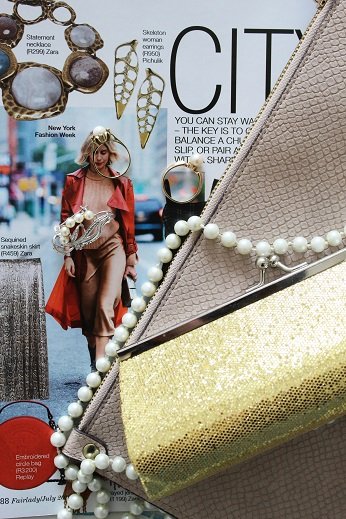
Jewelry is poised to embrace boldness and individuality in 2026. Statement pieces such as oversized earrings and layered necklaces are expected to signify a shift from minimalist designs to expressive adornments. Colors and materials will be diverse, from vibrant gemstones to sustainable materials, ensuring that jewelry not only serves an aesthetic purpose but also resonates with the wearer’s values. This evolution illustrates how jewelry can transform a simple outfit into a remarkable statement of self-expression.
Turning to handbags, the trends for 2026 are all about versatility and functionality. Expect to see a rise in multifunctional bags that seamlessly transition from day to night. Styles such as oversized totes and crossbody bags are becoming increasingly popular, designed to cater to the dynamic lifestyle of the modern individual. Textured materials and innovative designs will dominate, providing both aesthetic appeal and practicality that complements various outfit choices.
Footwear is equally significant in defining the overall aesthetic of an outfit. In 2026, chunky shoes and platform boots are forecasted to remain fashionable, offering both comfort and style. These bold footwear options allow individuals to make a striking impression while still being practical. Moreover, eco-friendly materials in shoe design are anticipated to gain traction, reflecting a growing awareness towards sustainable fashion choices.
In conclusion, accessories in 2026 will not just be complementary items but rather essential components that define personal style and individuality. By embracing bold jewelry, practical bags, and statement footwear, one can effectively elevate any outfit, making a lasting impression in the ever-evolving realm of fashion.
Conclusion: Embracing Your Individual Style in 2026
As we look towards 2026, it is evident that the fashion landscape is on the verge of significant evolution, brimming with emerging trends that reflect the values and aspirations of contemporary society. In this dynamic climate of styles, it is essential for individuals to not only acknowledge these trends but also to integrate them into their unique fashion narratives. Fashion should serve as a canvas for self-expression, allowing personal tastes to shine through amidst a backdrop of influencer-led trends and seasonal colors.
This year will see a blend of futuristic elements combined with sustainable practices, prompting people to engage thoughtfully with their wardrobes. The focus on individuality encourages everyone to adapt these trends in ways that resonate with their personalities. Think of this as an opportunity to explore bold patterns, innovative fabrics, and even the slow fashion movement. By doing so, you foster an environment where creativity thrives, and fashion becomes more than just clothing—it’s a statement of who you are.
Moreover, embracing your individual style in 2026 doesn’t mean discarding all existing fashions; rather, it’s about reinterpreting them. Mixing vintage pieces with modern trends can create a fresh perspective that uniquely represents you. Whether it is through color choices, accessories, or styling techniques, each choice you make is a chance to reinforce your identity and express your creativity. So, as we embark on this new fashion year, celebrate the idea that style is personal and cultivate an approach that honors your unique aesthetic while drawing inspiration from the emerging trends this year has to offer.
In summary, the fashion trends of 2026 invite you not just to follow but to interpret creatively, allowing your individual style to flourish. Embrace these innovations with an open mind and a personal touch, ensuring that your fashion journey reflects your story and inspires others as well.