


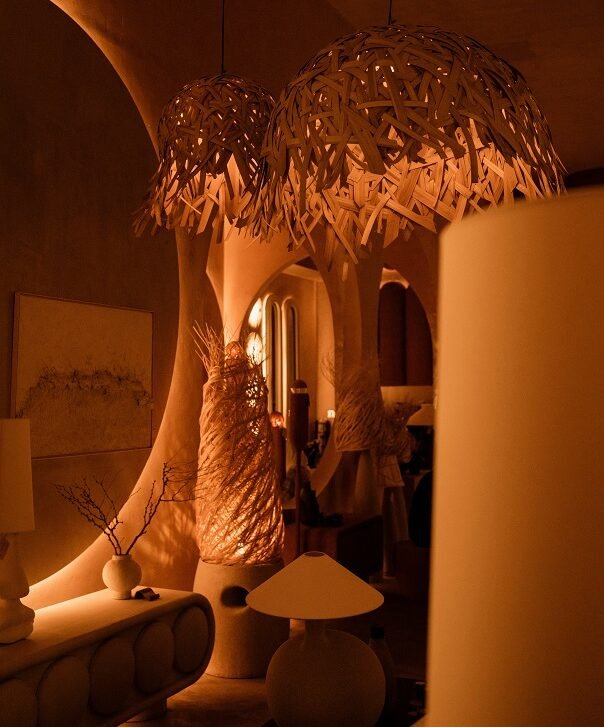
Understanding the Basics of Home Lighting
Home lighting design plays a critical role in home interior design, influencing the mood, functionality, and overall aesthetic of a space. To create effective lighting schemes, it is important to understand the three primary types of lighting: ambient, task, and accent lighting. Each type serves a unique role and should be thoughtfully incorporated to achieve a well-rounded lighting design. Ambient lighting is the foundational layer of illumination in a room. It provides general brightness, allowing occupants to navigate the space safely and comfortably. Common sources of ambient lighting include overhead fixtures, ceiling-mounted lights, and natural light from windows. The goal of ambient lighting is to ensure that the entire room is evenly lit, creating a warm and inviting environment.
Task lighting, on the other hand, is designed for specific activities that require more focused illumination. This type of lighting is essential in areas where tasks such as reading, cooking, or working occur. Examples of task lighting include desk lamps, under-cabinet lights in kitchens, and bedside lamps for nighttime reading. By targeting specific areas with intense light, task lighting enhances functionality and improves visibility for various activities.
Accent lighting is used to highlight architectural features, artwork, or decorative elements within a room. This type of lighting adds depth and dimension, creating an atmosphere that showcases the beauty of the space. Common forms of accent lighting include wall sconces, track lighting, and spotlights. By strategically placing accent lighting, designers can draw attention to focal points and create a visually appealing environment.
In practice, these three types of lighting should be blended harmoniously to achieve a cohesive lighting design. A well-planned combination of ambient, task, and accent lighting not only enhances the functionality of spaces but also contributes to the overall aesthetic and ambiance of the home. Effective lighting design can transform an ordinary room into an extraordinary space, improving the quality of life for its inhabitants.
The Psychology of Lighting in Interior Spaces
Lighting plays a crucial role in shaping the atmosphere of interior spaces, influencing both mood and perception. The color temperature of light, measured in Kelvin, can significantly affect how individuals feel within a room. Warm lighting, typically in the range of 2700K to 3000K, can create a cozy and inviting environment, often evoking feelings of comfort and relaxation. This type of lighting is common in living rooms and bedrooms, where a softer atmosphere is desired.
Conversely, cooler lighting, which ranges from 4000K to 5000K, tends to foster a more energetic and alert ambiance. This is particularly beneficial in workspaces or kitchens, where higher levels of brightness can enhance concentration and productivity. Research indicates that the brightness and color of lighting can either stimulate or calm the mind; thus, the judicious use of different lighting types is essential to meet the specific needs of each space.
Moreover, studies have shown that natural light has a profound impact on mental well-being. Exposure to natural daylight can improve mood, increase alertness, and even boost overall productivity. Therefore, incorporating windows, skylights, or light tubes into home design can enhance the psychological effects of a space. The strategic use of artificial lighting in conjunction with natural light can create a balanced environment that supports emotional health while maintaining aesthetic appeal.
Color psychology also plays a significant role in the interaction between lighting and perception. Colors reflect light differently, and the perception of these shades can change based on the type and intensity of lighting in a room. For instance, a vibrant blue might appear more serene under soft lighting, whereas bright white light may make it feel more stimulating. Understanding the complex relationship between lighting, color, and emotional response is vital for anyone looking to create a harmonious interior design.
Innovative Lighting Techniques for Each Room
Lighting plays a crucial role in interior design, influencing the ambiance and functionality of various spaces in a home. By employing innovative lighting techniques tailored to each room’s purpose, homeowners can create an environment that is both aesthetically pleasing and practical.
Starting with the living room, this commonly used area becomes the heart of the home, making the selection of lighting fixtures essential. A combination of ambient lighting, task lighting, and accent lighting can be utilized effectively. For instance, recessed lighting provides a clean overhead glow, while floor lamps can serve as soft task lighting for reading areas. Incorporating dimmer switches allows for the adjustment of brightness, facilitating mood shifts during different times of the day.
In the kitchen, functional lighting is paramount due to the diverse activities taking place. Bright, even lighting is key, particularly in preparation areas. Utilizing pendant lights above islands can enhance workspace visibility, while under-cabinet lighting can illuminate countertops effectively. Consider using LED strip lights for energy efficiency and a modern touch, helping to avoid shadows that might disrupt cooking tasks.
For the bedroom, lighting should promote relaxation and comfort. Soft, warm tones are ideal, with layered lighting options to accommodate various activities like reading or winding down. Ceiling-mounted fixtures combined with bedside lamps can provide versatility. Additionally, wall sconces can add elegance while conserving tabletop space, creating a serene and inviting atmosphere.
Lastly, the bathroom requires a balance of bright and soft lighting to cater to both functionality and comfort. Task lighting around mirrors is vital for grooming routines, while softer ambient lighting can enhance the tranquility essential for a calming bath experience. Utilizing dimmable fixtures can further personalize the lighting experience in this intimate space.
Natural Light vs. Artificial Light: A Comparison
When considering the elements of home interior design, lighting plays a pivotal role in shaping the ambiance and functionality of a space. This discussion aims to compare the benefits and drawbacks of natural light versus artificial lighting and their respective impacts on health and aesthetic appeal.
Natural light, defined as daylight that comes from the sun, significantly enhances the overall atmosphere of a home. Its benefits extend beyond mere aesthetics; exposure to sunlight is linked to improved mental health and well-being. The presence of natural light can uplift mood, promote productivity, and assist in regulating the body’s circadian rhythms. Homes designed with ample windows and skylights often create a warmer and more inviting environment for residents.
On the other hand, artificial lighting has made considerable advancements in recent years, allowing it to replicate some aspects of natural light. Technologies such as LED bulbs and smart lighting systems can be manipulated to mimic the color temperature and intensity of daylight. This versatility can support various design needs, making artificial lighting essential for spaces with insufficient natural light. Furthermore, the strategic use of artificial lighting can highlight specific design features, create focal points, and enhance the functionality of rooms.
However, artificial lighting has its drawbacks. Over-reliance on it can lead to eye strain and discomfort, particularly without proper design considerations. Moreover, the absence of natural light can sometimes create a feeling of disconnection from the outside environment, potentially affecting the mood of inhabitants adversely. Balancing both lighting types is crucial for optimal interior design.
In conclusion, while natural light offers numerous health benefits and enhances the home’s aesthetic, artificial lighting provides flexibility and innovation in design, making it an indispensable element in modern homes. A thoughtful integration of both can lead to an inviting and health-conscious interior space.
Choosing the Right Light Fixtures
Selecting appropriate light fixtures is a crucial aspect of home interior design, as they not only illuminate a space but also significantly contribute to its overall aesthetic. When considering light fixtures, it is essential to take into account the style of your home, the intended use of the space, and the ambiance you wish to create. The choice of fixture can either complement or clash with your interior design, which makes it vital to align them with your home’s decor.
The first step in choosing light fixtures is to define the style of your interior. There are numerous styles to consider, including contemporary, traditional, industrial, and rustic. For a modern aesthetic, sleek fixtures made of metals and glass can bring elegance and simplicity. Conversely, if your home features a farmhouse style, wooden or wrought-iron fixtures may harmonize better with the surroundings, creating a rustic charm.
In addition to style, the shape of lighting can dramatically alter the mood of a room. Pendant lights, for instance, can act as a striking focal point over a kitchen island, while wall sconces can create a warm and inviting atmosphere in a hallway. Consider the scale of the fixture as well; oversized chandeliers can make a bold statement in spacious dining areas but may feel overwhelming in more compact spaces.
Furthermore, the materials and finishes of light fixtures should reflect the overall theme of your home. Fixtures made from brass or gold may convey a sense of luxury, while matte black or chrome finishes can provide a sophisticated edge. Lastly, do not overlook the importance of the finish; the right finish not only enhances aesthetics but also affects how light interacts with your decor.
In conclusion, thoughtful selection of light fixtures can significantly elevate your interior design. By considering the style, shape, materials, and finishes of these elements, you can ensure that your lighting choices beautifully complement your home’s overall design.
Layered Lighting: The Key to Versatility
Layered lighting is a cornerstone of effective home interior design, creating an adaptable environment that can meet various needs. This concept involves the strategic combination of three primary types of lighting: ambient, task, and accent. Each type serves its purpose, and when used together, they create a harmonious blend that enhances both functionality and aesthetic appeal within a space.
Ambient lighting serves as the foundational layer, providing general illumination that brightens the entire room. It is essential for ensuring visibility and safety, often achieved through ceiling fixtures or wall-mounted lights. However, relying solely on ambient lighting can result in a flat and uninspiring space. By incorporating task lighting, such as desk lamps or under-cabinet lights, homeowners can direct light where it is needed most, improving usability in specific areas, be it for reading, cooking, or working.
Moreover, accent lighting plays a critical role in adding depth and character to the overall design. This type of lighting highlights architectural features, artwork, or decorative elements, creating focal points that draw the eye. With well-placed accent lights, homeowners can inject personality into their interiors while also enhancing the perceived spatial dimensions of a room.
The interplay between these different types of lighting contributes to an atmosphere that is not only functional but also visually compelling. For instance, in a living room, combining a soft overhead fixture with strategically positioned floor lamps and wall sconces can transform the space from a bright, open area to a cozy retreat when desired. This versatility allows homeowners to adapt their environments to various activities and moods.
Incorporating layered lighting into home interior design ultimately leads to dynamic and engaging spaces. By understanding and implementing this approach, individuals can enhance the overall quality of their interior, resulting in areas that invite both interaction and relaxation. Thus, mastering the art of layered lighting is integral to achieving well-designed and livable interiors.
Smart Lighting Solutions for Modern Homes
In the realm of interior design, lighting plays a significant role in not only enhancing the aesthetic appeal of a home but also in contributing to its efficiency and functionality. Recent advancements in technology have ushered in an era of smart lighting solutions, which provide homeowners with unprecedented control over their lighting environment. These innovations allow for the customization of brightness, color temperatures, and even the ambiance of individual rooms, ultimately transforming living spaces into personalized sanctuaries.
One of the foremost benefits of smart lighting is the energy efficiency it offers. Traditional lighting systems often lead to unnecessary energy consumption, whether through leaving lights on in unused spaces or through inefficient bulb usage. However, smart lighting systems integrate features such as occupancy sensors and programmable schedules that automatically adjust illumination based on the time of day or presence in a room. This not only helps in reducing electricity costs but also contributes to a more sustainable lifestyle.
Moreover, the remote control capabilities of smart lighting systems serve as a testament to their convenience. Homeowners can now control their lights from anywhere, whether they are at home or away. With the help of smartphone applications, users can easily turn lights on or off, dim them, or set specific scenes to fit their mood or occasion. This level of control ensures that spaces can be easily adapted to various functionalities, from hosting gatherings to creating a relaxed atmosphere for evenings in.
Finally, the integration of customizable ambiance features allows homeowners to select colors and brightness levels that reflect their personal style or enhance the overall theme of their interior design. Whether it’s a soft, warm glow for intimate family dinners or vibrant, colorful lighting for a lively party atmosphere, smart lighting solutions are increasingly becoming an essential component of modern home décor.
As technology continues to evolve, it is clear that smart lighting solutions will remain at the forefront of interior design trends, offering not only practicality and efficiency but also an enhanced living experience.
The Role of Color Temperature in Lighting Design
Color temperature plays a crucial role in lighting design, influencing not just the aesthetics of a space but also the ambience and functionality of a room. It is commonly measured in Kelvin (K), with lower values indicating warmer light and higher values signifying cooler light. The concept of color temperature is essential for interior designers as it directly impacts how a room is perceived. Warm lighting, typically ranging from 2700K to 3000K, creates an inviting and cozy atmosphere. It evokes feelings of warmth and relaxation, making it ideal for areas such as living rooms and bedrooms, where comfort is paramount.
Conversely, cooler lighting, often between 4000K to 5000K, is associated with a more clinical or energetic ambiance. This type of lighting is frequently used in workspaces, kitchens, and bathrooms, as it promotes alertness and clarity. The color temperature profoundly affects not only the mood but also the functionality of these spaces, enhancing visual tasks such as cooking or studying by providing a clear, bright light.
Moreover, the choice between warm and cool lighting does not only affect the perception of space but also the colors of the furnishings and decor within a room. For instance, warm lighting tends to enhance reds, oranges, and yellows, thereby giving these colors a rich and vibrant appeal. In contrast, cool lighting often accentuates blues and greens, which can create a refreshing and spacious feel. Choosing the right color temperature is vital in achieving the desired aesthetic and emotional response in interior environments.
Ultimately, understanding color temperature empowers designers to transform spaces effectively. By strategically employing warm and cool lighting, one can dramatically shift the appearance and feeling of a room, creating harmonious and functional living spaces.
Case Studies: Transforming Spaces with Lighting
Strategic lighting can significantly alter the appeal and functionality of a home. To illustrate the transformative power of lighting, we explore several case studies documenting successful home renovations.
One notable example is a modern urban apartment that was originally characterized by its stark, cold aesthetics. The owners decided to enhance their living space by incorporating layered lighting techniques. They replaced harsh overhead fixtures with recessed lighting and wall sconces, which provided a softer ambiance. Moreover, the installation of dimmable LED lights allowed them to adjust illumination levels according to the time of day and occasion. As a result, the apartment transitioned from a sterile environment to a warm and inviting space, suitable for relaxation and social gatherings.
Another impressive case study features a rustic farmhouse that faced challenges related to its dark and cramped interior. The owners utilized pendant lights with natural materials to enhance the kitchen and dining areas, illuminating them effectively while maintaining an inviting aesthetic. In addition, the strategic use of mirrors helped reflect light, making the spaces appear larger and more open. This thoughtful lighting scheme not only highlighted the rustic charm of the farmhouse but also improved its overall functionality, allowing for better navigation and use of space.
A third example involves a contemporary family home that sought to combine energy efficiency with style. The homeowners opted for smart lighting systems that allowed for the automation of various rooms, coordinating with their daily routines. By integrating motion sensor lights and app-controlled illumination, they achieved energy savings without sacrificing elegance. These lighting choices also contributed to enhanced safety and security, demonstrating the multifaceted benefits of thoughtful lighting design.
These case studies exemplify how considered lighting alterations can rejuvenate home interiors. They serve as inspiration for anyone looking to refresh their own living spaces through innovative lighting solutions.