


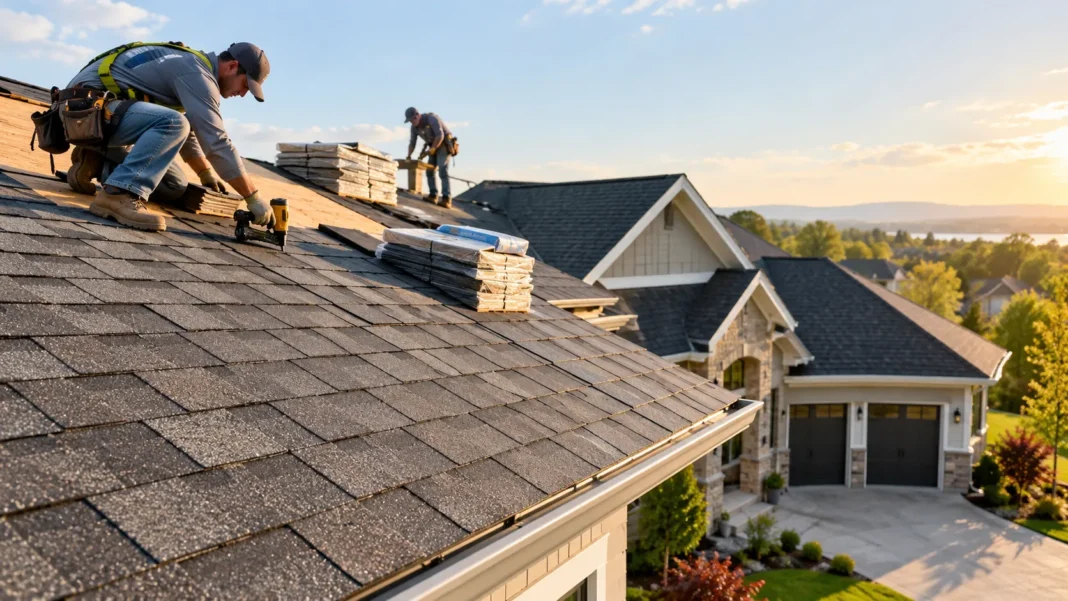
How Much Does a New Roof Cost?
The cost of a new roof is one of the biggest expenses homeowners may face when maintaining or renovating their property. In the United States, a typical residential roof replacement often costs approximately $6,000 to $16,000, although larger or more complex projects can cost considerably more. Final pricing depends on roofing materials, roof dimensions, installation labor, and property location.
Homeowners replacing a standard asphalt shingle roof generally spend less than those choosing premium metal, slate, or tile roofing. The number of existing roofing layers, roof slope, and condition of the underlying structure can also influence the total expense. Understanding these pricing factors helps homeowners prepare realistic budgets before contacting roofing contractors for estimates.
A new roof represents an important investment in protecting a home’s structure and interior from weather-related damage. While choosing affordable materials can reduce initial expenses, durability, installation quality, and maintenance requirements also deserve attention. Comparing different roofing systems and requesting detailed contractor estimates can help homeowners make informed decisions without focusing entirely on the lowest price.
Average New Roof Cost by Roofing Material
Roofing material selection has a significant influence on the overall cost of roof replacement. Asphalt shingles are commonly used because they offer an accessible combination of affordability and reliable weather protection. Metal, tile, and slate roofing systems generally require higher initial investments, although their durability and maintenance characteristics can make them attractive for certain properties.
The following table provides broad estimated installed costs for common residential roofing materials in the United States. These figures are planning ranges rather than guaranteed contractor prices, and actual quotations may vary significantly by region, roof complexity, materials, and project scope.
| Roofing Material | Estimated Cost Per Sq. Ft. |
|---|---|
| Asphalt shingles | $3–$7 |
| Metal roofing | $5–$16 |
| Wood shingles or shakes | $7–$15 |
| Concrete or clay tiles | $7–$25 |
| Slate roofing | $10–$30 |
| Flat roofing systems | $3–$11 |
When comparing roofing materials, homeowners should consider more than the installation price per square foot. Roof weight, local climate, maintenance requirements, and expected service life can affect long-term value. Certain premium materials also require specialized installers or additional structural support, which may increase the total cost beyond the basic roofing material estimate.
How Roof Size Affects Replacement Costs
Roof size is one of the most important factors determining how much a new roof costs. Larger roofs require more shingles, underlayment, flashing, fasteners, and installation labor than smaller roofing surfaces. Contractors typically calculate roofing area in squares, with one roofing square representing 100 square feet of actual roof surface rather than interior living space.
A home with 1,500 square feet of living space does not necessarily have a roof measuring 1,500 square feet. Roof pitch, overhangs, building layout, and multiple levels can change the total surface area. For accurate pricing, contractors measure the roof itself instead of relying only on the property’s advertised square footage.
For example, a 2,000-square-foot roof priced at $5 per square foot would have an estimated installation cost of $10,000. However, this simplified calculation may not cover all repairs, permit requirements, or unexpected structural problems. Homeowners should request measurements and written estimates that clearly explain the materials and services included in the quoted price.
Asphalt Shingle Roof Replacement Costs
Asphalt shingles are among the most widely used residential roofing materials in the United States. Their popularity comes from relatively affordable installation costs, numerous color options, and compatibility with many traditional roof designs. A standard asphalt shingle roof often costs approximately $3 to $7 per square foot installed, depending on material quality and project conditions.
There are several asphalt shingle styles, including traditional three-tab shingles and thicker architectural shingles. Three-tab products generally cost less, while architectural shingles offer a dimensional appearance and often provide improved durability. Premium asphalt shingles can include additional features intended to improve resistance to wind, impact, or other environmental conditions.
Although asphalt shingles have a relatively affordable upfront price, their expected lifespan depends on climate, product specifications, and installation quality. Harsh sunlight, severe storms, and poor ventilation can contribute to premature deterioration. Homeowners should compare manufacturer warranties, local performance requirements, and contractor experience when evaluating different asphalt roofing options.
Metal Roof Cost and Pricing Factors
Metal roofing is a popular alternative for homeowners seeking durability, weather resistance, and a distinctive architectural appearance. Common materials include steel, aluminum, copper, and zinc, each with different pricing and performance characteristics. Residential metal roof installation often costs approximately $5 to $16 per square foot, although premium metals and specialized designs may cost more.
Corrugated metal panels are often more affordable than standing seam roofing systems, which feature raised joints and concealed fasteners. Standing seam roofs can provide a clean appearance and dependable weather protection when properly designed and installed. Material thickness, protective coatings, panel profiles, and fastening systems all contribute to the final installation price.
Metal roofs may offer a longer service life than many traditional asphalt systems, making them worth considering for long-term property ownership. However, their initial installation costs and repair requirements can differ significantly. Homeowners should evaluate local weather conditions, installation quality, product warranties, and compatibility with the existing roof structure before choosing metal roofing.
Tile and Slate Roofing Costs Explained
Tile and slate roofing systems are commonly associated with long-lasting performance and distinctive architectural styles. Clay tiles, concrete tiles, and natural slate can create attractive roof designs while providing durable weather protection. However, these premium materials generally cost more than conventional asphalt shingles because of their weight, installation requirements, and material production expenses.
Concrete and clay tile installations commonly range from approximately $7 to $25 per square foot, depending on the product and project conditions. Natural slate roofing can cost around $10 to $30 per square foot or more. Decorative profiles, specialized underlayment, additional flashing, and experienced installation labor may increase the final project total.
One important consideration is whether the existing roof structure can safely support heavier materials. Some homes may require engineering assessments or structural improvements before tile or slate installation. Although these roofing systems can provide excellent durability, their higher upfront costs make careful planning essential for homeowners comparing different roof replacement options.
Roofing Labor Costs and Installation Expenses
Labor represents a substantial portion of most roof replacement projects because installation requires specialized skills, equipment, and safety procedures. Roofing contractors must remove existing materials when necessary, inspect the roof deck, install protective layers, and complete the new roofing system. The total labor expense depends on roof size, accessibility, material choice, and project complexity.
Simple asphalt shingle installations often involve lower labor costs than projects using heavy tiles, natural slate, or specialized metal systems. Steep slopes, multiple roof levels, chimneys, and complex valleys can require additional time and safety equipment. Local labor availability and regional construction demand may also affect the rates roofing companies charge.
When reviewing roofing estimates, homeowners should check whether labor charges include old roof removal, cleanup, material transportation, and installation of required accessories. Some contractors provide one combined project price, while others separate expenses into different categories. A detailed written quote makes comparing contractors easier and reduces uncertainty about the services being purchased.
How Roof Pitch and Design Affect Pricing
Roof pitch describes the steepness of a roof and can significantly influence replacement expenses. Low-slope roofs and steep residential roofs often require different materials, installation methods, and safety precautions. As roof pitch increases, the actual roofing surface may also become larger, which can raise material and labor costs.
Complex roof designs are generally more expensive to replace than simple roof structures covering similar floor areas. Features such as dormers, valleys, skylights, chimneys, and multiple intersecting sections require additional cutting and flashing. These details also increase the importance of proper waterproofing because poorly installed transitions can become vulnerable to leaks.
A simple gable roof may require less installation time than a roof with numerous angles and decorative features. However, even straightforward roofs can present challenges when existing materials are damaged or access is restricted. Homeowners should ask contractors to explain how roof design, pitch, and accessibility influence the proposed replacement price.
Old Roof Removal and Disposal Costs
Removing an existing roof can add a considerable expense to a replacement project. Contractors may need to remove old shingles, underlayment, flashing, and damaged accessories before installing the new roofing system. The amount of labor required depends on the existing material, roof accessibility, and number of roofing layers that must be removed.
Asphalt shingle tear-offs are usually less complicated than removing heavy tile, slate, or multiple roofing layers. Disposal costs can also vary according to local waste regulations, landfill fees, and available recycling services. Dumpster rental, transportation, and site cleanup may be included in the contractor’s estimate or listed as separate charges.
Some roofing projects may qualify for an additional roofing layer, but this approach is not appropriate for every property. Existing roof conditions, manufacturer requirements, and local building codes determine whether an overlay is permitted. A complete tear-off often allows better inspection of underlying materials, helping contractors identify problems before installing new roofing.
Roof Decking, Underlayment, and Hidden Repair Costs
A roof replacement involves more than installing visible shingles, panels, or tiles. Underneath the roofing material, components such as decking, underlayment, flashing, and ventilation systems contribute to the roof’s overall performance. If any of these components are damaged or unsuitable, additional work may be necessary before the new covering can be installed.
Roof decking consists of structural panels or boards that support the roofing materials. Moisture damage, deterioration, or inadequate fastening may require partial or extensive replacement. Underlayment provides another layer of protection beneath the main roofing surface, while properly installed flashing helps direct water away from vulnerable roof intersections and penetrations.
These additional repairs can make the final roof replacement cost higher than the initial estimate. Homeowners should ask contractors how unexpected decking damage or other concealed problems will be documented and priced. Establishing a clear approval process for additional work can help prevent disagreements and keep the project budget more manageable.
Roofing Permit Costs and Local Requirements
Roof replacement projects may require permits depending on local regulations, the type of roofing work, and the property location. Permit requirements help ensure that installations follow applicable building standards and safety rules. Some jurisdictions also require inspections to verify that important roofing components and installation methods meet local construction requirements.
Permit fees vary between cities, counties, and other authorities, so homeowners should avoid assuming that one standard price applies everywhere. Projects involving structural modifications, significant decking replacement, or major roofing changes may face additional requirements. Contractors familiar with local regulations can often explain which approvals are necessary before work begins.
Homeowners should confirm whether permit fees and required inspections are included in the written roofing estimate. Working without necessary approvals can create problems during future property sales, insurance claims, or renovation projects. Following applicable requirements from the beginning helps reduce the risk of additional expenses and installation complications later.
How Location and Climate Influence New Roof Costs
Geographic location affects roof replacement pricing because material expenses, labor rates, building requirements, and weather conditions differ between regions. Roofing projects in high-cost metropolitan areas may require larger budgets than similar work in smaller communities. Local contractor availability and demand following major storms can also influence installation prices.
Climate plays an important role in choosing roofing materials and accessories. Homes exposed to hurricanes, heavy snowfall, intense sunlight, or frequent rainfall may require specific products and installation methods. Wind-resistant shingles, suitable underlayment, ventilation components, and weather-rated flashing can increase initial expenses while supporting reliable roof performance.
Some areas also have stricter building standards intended to reduce damage from severe weather. These requirements may influence fastening patterns, approved materials, and inspection procedures. Homeowners should compare quotes from contractors familiar with local conditions rather than relying entirely on national pricing averages or estimates from unrelated markets.
Roof Repair vs. Replacement: Which Costs Less?
Roof repairs generally cost less initially than full replacement when damage is limited to a small area. Replacing missing shingles, correcting minor flashing problems, or repairing localized leaks may restore performance without replacing the entire roofing system. However, the appropriate choice depends on the roof’s age, condition, and extent of deterioration.
A full replacement may be more practical when roofing materials are severely worn, leaks occur in multiple locations, or extensive damage affects underlying components. Repeated repairs can become expensive when the roof continues developing new problems. A qualified roofing inspection can help determine whether targeted repairs remain reasonable or replacement offers better long-term value.
Homeowners should avoid making this decision based only on the lowest immediate expense. A relatively new roof with isolated damage may justify repair, while an aging system with widespread deterioration may need replacement. Comparing projected maintenance expenses, remaining service life, and warranty coverage can support a more informed decision.
How to Estimate Your New Roof Cost
Estimating a new roof cost begins with understanding the approximate roof surface area and preferred roofing material. Contractors commonly calculate prices by the roofing square, which equals 100 square feet. Multiplying the measured roof area by an estimated installed price provides a starting figure before accounting for project-specific conditions.
For instance, replacing a 2,500-square-foot roof at an estimated $6 per square foot produces a preliminary cost of $15,000. This calculation is only an example and does not represent a guaranteed installation price. The final estimate may change because of roofing complexity, materials, disposal charges, permit requirements, and hidden repairs.
Online roof cost calculators can provide broad budgeting estimates, but they cannot fully replace a professional inspection. Homeowners should obtain detailed measurements and compare several written contractor quotes. Asking for separate explanations of materials, labor, removal, and additional work can make the overall pricing easier to understand.
How to Save Money on Roof Replacement
Saving money on roof replacement begins with comparing suitable materials and understanding what each contractor includes in the proposed price. Affordable roofing should still meet local building requirements and provide appropriate durability. Choosing dependable products rather than unnecessary premium upgrades may help control expenses without compromising essential performance.
Obtaining several written estimates is another practical way to compare roofing costs. Homeowners should review contractor qualifications, insurance coverage, warranties, and proposed installation methods instead of selecting the cheapest quote automatically. Scheduling nonurgent work during periods of lower demand may sometimes provide additional flexibility, depending on local conditions.
Proper maintenance can also help homeowners avoid preventable roof damage and unexpected replacement expenses. Keeping drainage systems clear, arranging suitable inspections, and addressing minor issues promptly may extend the useful life of roofing components. However, necessary repairs should not be postponed simply to reduce short-term spending when water damage or structural problems are present.
How to Choose a Reliable Roofing Contractor
Selecting a qualified roofing contractor is one of the most important steps in planning a roof replacement. Experienced contractors should understand appropriate installation methods, local building requirements, and manufacturer specifications. Reviewing relevant licensing, insurance, and references can help homeowners assess whether a company is suitable for their project.
A professional roofing estimate should clearly identify the proposed materials, roofing area, labor scope, and expected project responsibilities. It should also address roof removal, disposal, flashing, underlayment, ventilation, and potential additional repairs. Written warranty information and payment terms help homeowners understand what protection and services are included.
Before signing an agreement, compare the scope and quality of several contractor proposals. Unusually low estimates may exclude necessary components or rely on different installation specifications. Choosing a contractor who communicates clearly and documents the work can reduce uncertainty while supporting a successful roof replacement project.
Conclusion
Understanding new roof costs helps homeowners prepare for one of the most important investments in maintaining their property. Roofing materials, roof dimensions, labor, structural conditions, and local requirements all influence the final price. Asphalt shingles often provide an affordable option, while premium metal, tile, and slate roofing systems generally involve higher initial expenses.
A realistic roofing budget should account for more than the visible roofing material. Old roof removal, decking repairs, underlayment, flashing, permits, and disposal expenses may increase the total project cost. Comparing detailed contractor estimates and identifying possible additional charges can help homeowners avoid unexpected financial pressure during the replacement process.
The best roofing decision balances initial cost with installation quality, durability, maintenance, and long-term performance. Homeowners should select appropriate materials, work with qualified professionals, and confirm that all required services are documented. Careful planning can help ensure that a new roof provides dependable protection and lasting value for the property.
Frequently Asked Questions
How Much Does a New Roof Cost on Average?
A typical residential roof replacement in the United States often costs approximately $6,000 to $16,000. Actual pricing depends on roof size, material selection, labor expenses, location, and additional repairs.
What Is the Cheapest Type of Roof to Install?
Basic asphalt shingles are usually among the most affordable residential roofing options. However, installation costs vary, and homeowners should consider durability, climate compatibility, maintenance needs, and product warranties before purchasing.
How Much Does a New Roof Cost for a 2,000-Square-Foot Roof?
A 2,000-square-foot roof may cost approximately $8,000 to $18,000 for a typical asphalt replacement project. Roof pitch, material quality, labor rates, and underlying repairs can change the final estimate.
Does Homeowners Insurance Cover Roof Replacement?
Homeowners insurance may cover roof replacement when damage results from a covered event, such as certain storms. Normal aging, neglected maintenance, and ordinary wear are generally excluded, depending on policy terms.
How Long Does a New Roof Last?
Asphalt shingle roofs commonly last around 15–30 years, while certain metal, tile, and slate systems can last considerably longer. Actual lifespan depends on material quality, installation, climate, and maintenance.