


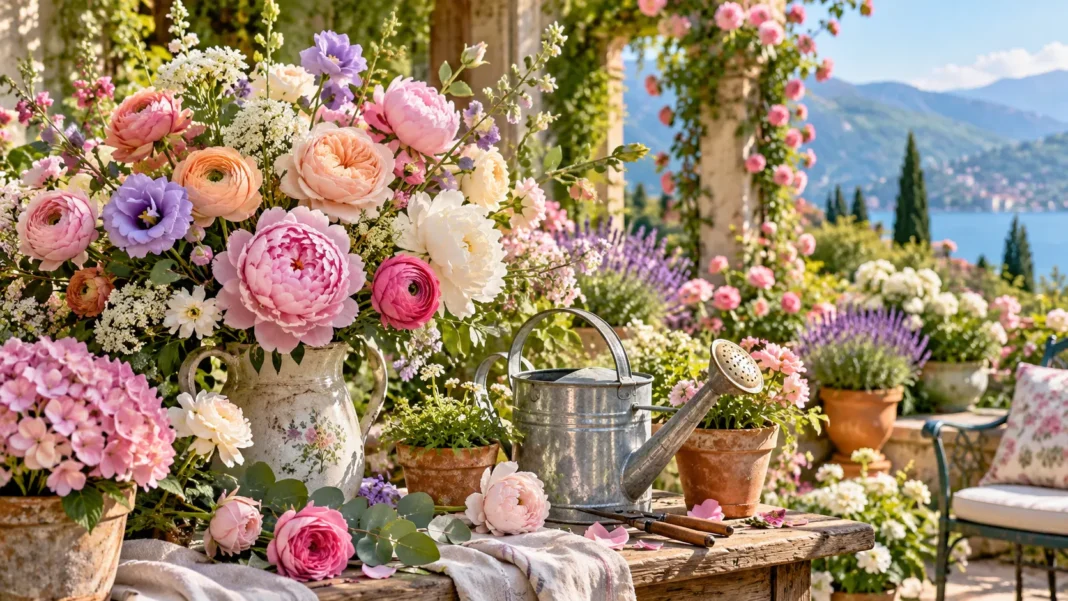
Pretty flowers bring natural beauty, cheerful colors, and a refreshing atmosphere to gardens, balconies, and indoor spaces. From delicate daisies and romantic roses to colorful tulips and elegant lilies, flowers offer endless opportunities to enhance your surroundings. Their different shapes, fragrances, and blooming patterns make them a wonderful addition to almost any home or outdoor landscape.
Choosing a pretty flower is not just about finding the most attractive colors or unusual petals. Different flowering plants require specific amounts of sunlight, water, soil nutrients, and seasonal care to grow successfully. Understanding these basic requirements helps you select flowers that suit your climate, available space, and gardening experience while creating beautiful displays throughout the growing season.
Whether you want to decorate a bedroom, design a colorful flower garden, or create a charming floral arrangement, there are countless possibilities to explore. Some flowers are ideal for beginners, while others require more attention to maintain healthy growth. This guide explores beautiful flower varieties, practical care tips, and creative inspiration for enjoying flowers indoors and outdoors.
What Makes a Pretty Flower So Beautiful?
A pretty flower often attracts attention through its colors, petal shapes, natural symmetry, or pleasant fragrance. Some flowers feature soft pastel shades that create a peaceful appearance, while others display vibrant colors that brighten their surroundings. The combination of delicate textures and distinctive forms makes flowering plants appealing for gardens, decorative arrangements, and special occasions.
Beauty can also come from the way flowers grow and interact with their environment. A single rose may become an elegant focal point, while hundreds of small wildflowers can transform an ordinary landscape into a colorful scene. Seasonal changes, sunlight, and surrounding greenery contribute to the overall appearance of a flower display.
Personal preferences play an important role when choosing attractive flowers. Some people enjoy simple daisies and delicate baby’s breath, while others prefer dramatic dahlias or fragrant peonies. Rather than following one particular floral trend, select varieties that complement your space and create an atmosphere you genuinely enjoy.
Beautiful Rose Flowers for Timeless Elegance
Roses are among the most recognizable flowers in the world, admired for their layered petals, distinctive fragrances, and wide variety of colors. They are commonly used in gardens, bouquets, and decorative displays because of their elegant appearance. Different rose varieties offer unique flower shapes, growth habits, and blooming seasons that suit various landscaping styles.
Many garden roses grow best in locations receiving several hours of direct sunlight each day. They generally prefer well-drained soil, consistent moisture, and enough airflow around their leaves. Watering near the base of the plant and removing damaged growth can help maintain healthy foliage while reducing conditions that encourage certain fungal diseases.
Roses can create beautiful displays along garden borders, beside pathways, or in suitable containers. Climbing varieties add interest to trellises and arches, while compact roses can brighten smaller spaces. Combining roses with complementary foliage and flowering perennials creates a balanced garden arrangement that feels attractive without relying on excessive decoration.
Colorful Tulips for Gorgeous Spring Gardens
Tulips are popular spring flowers known for their smooth petals, elegant stems, and impressive range of colors. They can appear in shades of red, yellow, pink, purple, orange, and white, making them suitable for many garden designs. Their recognizable cup-shaped blooms create a clean appearance that works beautifully in formal flower beds and casual arrangements.
Tulips grow from bulbs that generally require a period of cool temperatures to develop properly. In climates with suitable winters, gardeners usually plant bulbs during autumn for spring flowering. Well-drained soil is important because overly wet conditions can damage bulbs, while sunny locations support healthy growth and attractive blooms.
Planting tulips in groups creates a stronger visual effect than placing individual bulbs far apart. You can combine different colors for a cheerful spring display or use one shade for a more coordinated appearance. Tulips also make beautiful cut flowers, although their vase life depends on freshness, temperature, and proper water care.
Pretty Daisies for a Cheerful Garden Look
Daisies are loved for their simple flower shapes, bright centers, and fresh appearance. Their familiar white petals and yellow centers create a classic look, although related flowering plants come in numerous colors. Daisies are particularly attractive in cottage gardens, informal borders, and containers where their cheerful blooms complement surrounding greenery.
Different daisy varieties have different growing requirements, but many prefer sunny positions and well-drained soil. Shasta daisies, for example, are commonly grown as perennial garden flowers in suitable climates. Removing spent blooms can encourage a tidier appearance and may support additional flowering, depending on the species and growing conditions.
Daisies combine beautifully with lavender, ornamental grasses, and other relaxed garden plants. Their uncomplicated appearance makes them suitable for gardeners who prefer natural-looking arrangements rather than highly structured landscaping. Small bouquets featuring daisies can also brighten kitchen tables, desks, and bedrooms while creating a welcoming atmosphere.
Elegant Lilies for Stunning Floral Displays
Lilies are striking flowers recognized for their large petals, dramatic shapes, and sometimes powerful fragrances. They are available in numerous varieties, including Asiatic and Oriental lilies, which offer different colors and blooming characteristics. Their impressive flowers make them attractive focal points in garden beds and carefully arranged indoor bouquets.
Most garden lilies grow from bulbs and prefer well-drained soil with suitable sunlight. Many varieties benefit from consistent moisture during active growth without remaining waterlogged. Because flowering stems can become tall, some plants may require support in exposed locations where wind or heavy rain could damage their blooms.
Lilies look beautiful when combined with simpler foliage or smaller flowers that complement their dramatic appearance. However, true lilies are extremely toxic to cats, including their pollen and vase water. Households with cats should avoid bringing these flowers into accessible spaces and consider pet-safe alternatives when planning decorative arrangements.
Hydrangeas for Beautiful and Full Flower Arrangements
Hydrangeas are admired for their large clusters of flowers that create a soft, abundant appearance. Depending on the variety, their blooms may appear in white, pink, blue, purple, or greenish shades. These flowering shrubs are especially popular in landscaped gardens because they provide impressive seasonal displays and blend well with other ornamental plants.
Hydrangea care depends on the specific species and local climate, although many varieties appreciate moisture-retentive, well-drained soil. Some perform best with morning sunlight and afternoon shade, particularly in warmer regions. Regular watering during dry periods helps prevent stress, while suitable mulching can support soil moisture and protect shallow roots.
Hydrangeas make beautiful additions to garden borders, shaded corners, and large outdoor containers. Their rounded flower clusters also work well in bouquets and decorative centerpieces. When arranging cut hydrangeas, use clean water and handle them carefully because their large blooms can lose freshness quickly under hot or dry conditions.
Sunflowers for Bright and Happy Outdoor Spaces
Sunflowers are instantly recognizable because of their large flower heads, warm yellow petals, and strong upright stems. They bring cheerful color to gardens and can create impressive seasonal displays. Although yellow is the most familiar shade, cultivated varieties also include cream, orange, reddish, and darker tones that provide additional decorative possibilities.
Most sunflowers grow best in full sunlight and well-drained soil. Their water requirements vary according to plant size, temperature, and stage of growth, with consistent moisture particularly helpful during establishment. Taller varieties may benefit from sheltered positions or suitable support, especially in gardens exposed to strong winds.
Planting sunflowers along fences or toward the back of flower beds creates a striking backdrop for smaller plants. Compact varieties can also grow successfully in appropriately sized containers. Sunflowers attract pollinators and add seasonal interest, making them enjoyable choices for gardeners who appreciate both decorative beauty and natural activity.
Orchids for Sophisticated Indoor Flower Decor
Orchids are popular indoor flowering plants because of their unusual shapes, elegant colors, and long-lasting blooms. Their distinctive appearance makes them attractive decorations for living rooms, bedrooms, and office spaces. Phalaenopsis orchids, commonly called moth orchids, are especially popular because they can adapt well to typical indoor environments with appropriate care.
Many commonly sold orchids prefer bright, indirect light rather than prolonged exposure to strong direct sunlight. Their roots need suitable airflow and moisture conditions, which is why orchid-specific growing media are often recommended. Watering frequency depends on the potting material, room temperature, humidity, and the condition of the roots.
Orchids look particularly elegant when displayed in simple ceramic pots or understated decorative containers. Their graceful flowering stems can become a natural focal point without requiring numerous additional accessories. Allowing adequate drainage and maintaining suitable growing conditions helps orchids remain healthy and improves their chances of flowering again.
Lavender Flowers for Fragrance and Natural Beauty
Lavender is valued for its purple flower spikes, distinctive fragrance, and attractive silver-green foliage. It is often associated with Mediterranean-style gardens and natural landscaping because of its compact growth and recognizable appearance. Lavender also attracts pollinators when flowering, making it a useful ornamental plant in suitable outdoor environments.
Most lavender varieties prefer full sunlight and well-drained soil rather than constantly moist growing conditions. Established plants often tolerate periods of dryness, although young plants need appropriate watering while developing roots. Good airflow and careful watering are particularly important because excessive moisture can contribute to root problems and unhealthy growth.
Lavender works beautifully along sunny pathways, in raised beds, or as part of a mixed herb garden. Its flowers can also be used in suitable dried arrangements that introduce natural texture into home decor. Choose varieties appropriate for your climate because different types have varying tolerance for cold, heat, and humidity.
How to Choose Pretty Flowers for Your Garden
Choosing attractive garden flowers begins with understanding the conditions in your outdoor space. Sunlight exposure, soil type, drainage, climate, and available room all influence which plants will grow successfully. A flower that thrives in a sunny border may struggle in a shaded courtyard, even when the surrounding garden design looks beautiful.
Consider the mature size and flowering season of each plant before making your selections. Combining early, midseason, and late-blooming varieties can provide changing colors throughout the growing period. It is also useful to select plants with different heights and leaf textures so the garden remains visually interesting between flowering periods.
Start with a manageable selection of flowers that match your gardening experience and maintenance preferences. Group plants with similar watering and sunlight requirements to simplify ongoing care. A thoughtfully planned flower garden often looks more attractive than one filled with unrelated varieties that require completely different growing conditions.
Essential Watering Tips for Healthy Flowers
Proper watering is one of the most important parts of flower care because plants require moisture for growth and normal biological functions. However, watering too frequently can be just as harmful as allowing plants to become excessively dry. The correct approach depends on flower variety, soil composition, temperature, rainfall, and growing conditions.
Check the soil before watering rather than following a rigid schedule without considering weather changes. Container plants may dry out faster than flowers growing directly in garden beds, particularly during hot weather. Applying water near the root zone helps direct moisture where plants need it while avoiding unnecessary wetting of delicate flowers.
Good drainage is essential because waterlogged roots may struggle to obtain enough oxygen. Choose containers with drainage holes and avoid leaving unsuitable plants standing in collected water. Observing your flowers regularly helps you recognize changes in soil moisture and adjust watering habits before plant health begins to decline.
Best Soil and Fertilizer Tips for Flower Growth
Healthy soil provides the foundation for successful flowering plants by supporting root development, water movement, and nutrient availability. Different flowers prefer different soil conditions, although many common garden varieties perform well in fertile, well-drained soil. Understanding your garden’s existing soil can help you choose appropriate plants and identify necessary improvements.
Organic matter such as finished compost can improve the structure of many garden soils while contributing nutrients. However, fertilizer needs vary according to plant type, soil fertility, and growth stage. Excess fertilizer may encourage excessive foliage, damage roots, or reduce flowering, so it is important to follow suitable product recommendations.
When growing flowers in containers, choose a potting mix designed for the plant’s requirements. Garden soil alone may become compacted in pots and interfere with drainage. Refreshing growing media when necessary and providing appropriate nutrition supports healthy roots, attractive foliage, and reliable flowering throughout the growing season.
Creative Flower Arrangement Ideas for Home Decoration
Fresh flower arrangements provide an easy way to add natural color and personality to indoor spaces. A simple vase filled with seasonal blooms can brighten a dining table, entryway, or bedside surface. Choosing flowers with complementary colors and varying heights helps create visual interest without requiring professional floral design skills.
For a modern arrangement, combine a limited number of flowers in similar shades with attractive green foliage. A more relaxed cottage-style bouquet can include different bloom sizes and natural textures. Pay attention to the proportions of the container so the arrangement appears balanced rather than overcrowded or unstable.
You can also create small floral displays using repurposed glass jars, ceramic pitchers, or simple decorative vases. Place cut flowers away from excessive heat and direct sunlight to help preserve freshness. Replace cloudy water, use clean containers, and remove submerged leaves to maintain more attractive arrangements for longer.
How to Keep Cut Flowers Fresh for Longer
Freshly cut flowers can brighten indoor spaces, but their appearance gradually changes after being removed from the plant. Proper handling can help preserve their beauty for a longer period. Begin by choosing flowers with healthy stems and suitable bloom development rather than selecting arrangements that already show obvious signs of wilting.
Use a clean vase filled with fresh water and trim stems when appropriate for the flower variety. Remove leaves that would otherwise remain submerged because decaying foliage can encourage microbial growth. Commercial flower food may also help maintain certain cut flowers when used according to the manufacturer’s instructions.
Keep arrangements away from radiators, strong direct sunlight, and unnecessary heat exposure. Replace water regularly and remove flowers that have begun deteriorating. Some varieties naturally last longer than others, so selecting suitable blooms and maintaining good vase hygiene can improve the appearance of your floral decorations.
Common Flower Care Mistakes to Avoid
One common mistake is choosing flowers based only on their appearance without considering growing requirements. A shade-loving plant placed in intense sunlight may struggle, while a sun-loving variety may produce fewer flowers in a dark location. Matching plant requirements to the available environment helps prevent unnecessary disappointment and repeated replacement.
Overwatering is another frequent problem, particularly with flowers grown in decorative containers. Poor drainage can cause root stress, while constantly damp foliage may encourage certain diseases. Checking soil moisture, using suitable growing media, and providing adequate airflow can reduce these problems while supporting healthier overall plant development.
Incorrect pruning can also affect flowering because some plants produce blooms on older stems while others flower on new growth. Removing branches at the wrong time may reduce the next flowering display. Learn the basic pruning requirements for each variety and avoid applying the same maintenance routine to every plant in your garden.
Pretty Flower Garden Ideas for Small Spaces
Small gardens can support beautiful floral displays when plants are selected and arranged thoughtfully. Balconies, patios, narrow pathways, and compact courtyards offer opportunities to grow colorful flowers without requiring extensive ground space. Containers, raised planters, and vertical gardening systems can help maximize available growing areas while creating an attractive outdoor environment.
Choose compact flowering varieties that suit the depth and size of your containers. Petunias, pansies, marigolds, and certain geraniums can provide attractive seasonal color in suitable climates. Hanging baskets and railing planters also introduce flowers at different heights, creating visual interest without occupying valuable walking space.
Keep the design coordinated by repeating a few flower colors and using containers with complementary finishes. Avoid overcrowding plants because roots and foliage need sufficient space for healthy growth. Regular watering, appropriate nutrition, and removal of spent blooms can help maintain a cheerful display throughout the relevant flowering season.
Conclusion
Pretty flowers offer endless opportunities to introduce color, fragrance, and natural beauty into homes and gardens. From elegant roses and lilies to cheerful daisies and sunflowers, each variety has distinctive characteristics that suit different decorating styles. Choosing flowers according to their appearance and growing requirements helps create displays that remain attractive and enjoyable.
Successful flower care involves understanding sunlight, watering, soil conditions, and seasonal maintenance needs. Simple habits, such as checking soil moisture, maintaining drainage, and removing damaged growth, can contribute to healthier plants. Whether you are growing flowers outdoors or arranging fresh bouquets indoors, thoughtful care helps preserve their natural beauty.
The most beautiful floral spaces reflect personal preferences and complement their surroundings. You can create impressive arrangements with a few carefully selected blooms or design colorful gardens using multiple flowering varieties. With suitable plant choices, practical maintenance, and creative inspiration, pretty flowers can bring lasting charm and a welcoming atmosphere to everyday spaces.
Frequently Asked Questions
What are the prettiest flowers to grow at home?
Roses, tulips, daisies, lilies, hydrangeas, orchids, and sunflowers are popular choices for beautiful floral displays. The best varieties depend on your climate, available sunlight, and gardening preferences.
Which pretty flowers are easiest for beginners?
Marigolds, zinnias, cosmos, and certain daisies are often suitable for beginner gardeners in appropriate climates. Choose varieties matching your growing conditions and follow their basic watering and sunlight requirements.
How often should I water flowering plants?
Watering frequency depends on the flower variety, soil type, weather, and container size. Check soil moisture regularly and water according to the plant’s needs rather than following the same schedule for every flower.
How can I keep fresh flowers beautiful for longer?
Use clean vases, fresh water, and suitable flower food when appropriate. Remove submerged leaves, keep arrangements away from excessive heat, and replace water regularly to maintain freshness.
Can pretty flowers grow indoors without direct sunlight?
Yes, certain flowering houseplants, including many Phalaenopsis orchids and African violets, can grow in bright, indirect light. However, most flowering plants still require sufficient light to produce healthy blooms.