


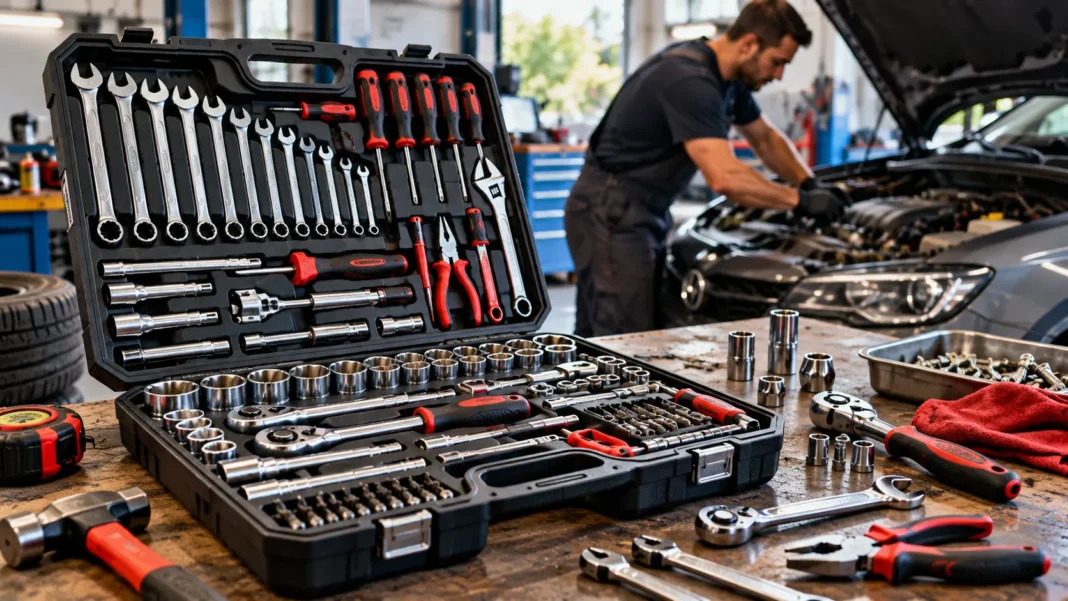
A mechanic tool set is an essential collection of tools for maintaining vehicles, completing repairs, and handling everyday mechanical tasks. Whether you are a professional automotive technician, an enthusiastic DIY mechanic, or someone who wants to keep basic tools at home, having the right equipment makes a noticeable difference. A well-organized toolkit helps you work more efficiently while keeping commonly needed tools within easy reach.
Choosing the best mechanic tool set can be challenging because different kits contain different combinations of sockets, ratchets, wrenches, screwdrivers, and accessories. Some sets focus on basic maintenance, while others provide extensive collections designed for automotive workshops. Understanding the purpose of each tool helps you avoid unnecessary purchases and select equipment suited to your experience and requirements.
A quality mechanic tool kit should offer durable construction, practical organization, comfortable handling, and the tools you are most likely to use. Price alone does not determine whether a particular set provides good value. This guide explains essential mechanic tools, important features, common types of tool sets, and practical buying considerations to help you make an informed decision.
What Is a Mechanic Tool Set?
A mechanic tool set is a collection of hand tools designed for assembling, maintaining, adjusting, and repairing mechanical components. These kits commonly contain socket wrenches, ratchets, combination wrenches, extensions, and screwdriver bits. Depending on the size and intended application, they may also include pliers, hex keys, spark plug sockets, and other useful accessories.
Mechanic tool sets are widely used in automotive maintenance because vehicles contain numerous bolts, nuts, and fasteners requiring different tools. Having compatible sizes readily available can make routine work more organized and efficient. The exact contents vary between manufacturers, with some kits concentrating on sockets and others offering broader selections of general-purpose tools.
A complete toolkit does not necessarily need hundreds of individual pieces to be useful. The most practical collection includes frequently needed sizes, reliable mechanisms, and suitable storage. Choosing tools that match your intended tasks is generally more valuable than purchasing an oversized set containing numerous duplicate or rarely used components.
Essential Tools Every Mechanic Tool Set Should Include
A useful mechanic tool set begins with tools that handle common fastening and adjustment tasks. Ratchets, sockets, combination wrenches, and extensions form the foundation of many automotive tool collections. These components allow users to work with different fastener sizes and reach areas where ordinary hand tools may be inconvenient.
Screwdrivers, hex keys, and suitable pliers can provide additional versatility for general mechanical maintenance. Certain kits also contain universal joints, adapters, and specialized sockets for particular applications. Before purchasing, review the included tools carefully because a large advertised piece count may consist mainly of small accessories rather than a balanced selection.
For beginners, a moderate-sized kit containing standard socket sizes and common wrench options is often a practical starting point. More experienced users may require specialized tools for particular vehicles or workshop tasks. A good collection should support your needs without encouraging unnecessary purchases or including equipment you are unlikely to use.
Socket Wrenches and Ratchets: The Foundation of a Tool Kit
Socket wrenches and ratchets are central components of most mechanic tool sets because they help operate nuts and bolts in restricted spaces. A socket fits over a compatible fastener, while the ratchet mechanism allows repeated turning without constantly removing the tool. This combination makes ratchet and socket sets particularly useful for routine mechanical tasks.
Common ratchet drive sizes include 1/4-inch, 3/8-inch, and 1/2-inch, each intended for different ranges of applications. Smaller drives are commonly associated with compact fasteners and limited spaces, while larger drives accommodate heavier-duty sockets. Many general-purpose mechanic sets include 3/8-inch drive tools because they provide useful versatility for automotive maintenance.
When comparing ratchets, consider the mechanism, handle comfort, head profile, and overall construction quality. A smooth mechanism with a suitable tooth count can improve convenience in confined areas. Look for reliable socket retention and clearly marked sizes, and ensure the included tools are suitable for the intended application.
Combination Wrenches and Adjustable Wrenches
Combination wrenches are important tools because they provide convenient access to fasteners that may be difficult to reach using sockets. A typical combination wrench features an open end and a box end of the same size. This design offers flexibility when working around mechanical components with limited clearance.
Most automotive mechanic sets emphasize metric wrench sizes, although some vehicles and equipment also require SAE measurements. SAE sizes are commonly expressed in fractions of an inch, while metric tools use millimeters. Selecting the appropriate measurement system is important because poorly fitting tools can damage fastener edges and create unnecessary difficulties.
Adjustable wrenches can provide additional flexibility when an exact fixed-size wrench is unavailable. However, they should not replace properly sized tools for every application. Choose wrenches with comfortable handles, accurate sizing, and durable materials, and prioritize a secure fit to support controlled and reliable mechanical work.
Screwdrivers, Pliers, and Hex Keys for Mechanical Work
Screwdrivers are essential additions to a mechanic tool set because vehicles and mechanical equipment frequently contain different screw heads. Flathead and Phillips screwdrivers remain common, while Torx and other specialized profiles are used in many modern assemblies. A useful toolkit should provide compatible options without relying entirely on interchangeable bits.
Pliers are another valuable category because different designs help with gripping, positioning, and handling small components. Needle-nose pliers are useful for reaching confined spaces, while slip-joint and locking pliers serve different general-purpose functions. Tool quality and grip comfort matter because poorly constructed handles can make controlled work more difficult.
Hex keys, sometimes called Allen keys, are designed for fasteners with internal hexagonal openings. They are commonly found in automotive accessories, bicycles, furniture, and various mechanical assemblies. A compact selection of metric and relevant SAE sizes can make a toolkit more versatile while reducing the need to purchase separate tools for occasional adjustments.
Understanding Metric and SAE Mechanic Tool Sets
One of the most important buying considerations is whether a mechanic tool set contains metric, SAE, or both measurement systems. Metric tools are measured in millimeters and are widely used across modern vehicles and mechanical equipment. SAE tools use inch-based measurements and remain relevant for certain vehicles, machinery, and other applications.
Although some metric and SAE sizes appear similar, they are not always interchangeable. Using an incorrectly sized socket or wrench can result in a poor fit and damage the fastener. For this reason, identifying the measurement standards used by your vehicle or equipment helps you select a more appropriate collection of tools.
Combination sets containing both measurement systems offer flexibility for people working on different types of equipment. However, a focused metric set may be sufficient for someone maintaining a vehicle that primarily uses metric fasteners. Compare the actual socket and wrench size ranges rather than assuming that every mixed set provides complete coverage.
How to Choose the Right Mechanic Tool Set Size
Mechanic tool sets are available in different sizes, ranging from compact collections to extensive kits containing several hundred pieces. Smaller sets typically focus on essential sockets and ratchets, while larger collections include additional accessories and fastening tools. Choosing the right size depends on your experience, storage space, and intended maintenance activities.
A compact kit may be suitable for basic household tasks and keeping frequently needed tools organized. Medium-sized sets often provide a wider selection of sockets, ratchets, and extensions for general automotive maintenance. Large workshop collections are more appropriate when users regularly work with different vehicles or require a broader range of fastener sizes.
Avoid selecting a toolkit based only on its advertised piece count. Some manufacturers count every screwdriver bit, small adapter, or duplicate component as an individual piece. Compare the included tools, measurement ranges, drive sizes, and storage quality to determine whether the collection provides meaningful value for your particular needs.
What Materials Make a Mechanic Tool Set Durable?
The materials used to manufacture mechanic tools influence their strength, durability, and resistance to everyday wear. Many reputable socket and wrench manufacturers use chromium-vanadium alloy steel, commonly described as chrome vanadium or Cr-V. This material can provide good toughness and wear resistance when manufactured and heat-treated appropriately for its intended use.
Some specialized tools use other steel alloys designed to meet particular performance requirements. Chrome plating is frequently applied to hand tools to improve corrosion resistance and make surfaces easier to clean. However, a shiny finish does not automatically indicate superior quality, so manufacturing standards and product specifications remain important considerations.
Inspect tools for clearly marked sizes, smooth finishes, and consistent construction. Poorly finished edges, loose mechanisms, or unclear markings may reduce convenience and reliability. Choosing established manufacturers with appropriate testing, warranty support, and replacement options can help you purchase a durable toolkit without relying solely on attractive packaging.
Important Features to Look for When Buying a Mechanic Tool Set
A high-quality mechanic tool set should combine useful tools with practical design features that improve everyday convenience. Look for ratchets with smooth movement, sockets with readable markings, and handles that provide comfortable control. These details may seem minor, but they can make a noticeable difference during longer maintenance sessions.
Storage is another important feature because small tools are easy to misplace when they are not properly organized. Molded carrying cases, labeled compartments, and securely fitted tool holders help keep individual pieces accessible. A sturdy case is especially useful when transporting equipment between locations or storing the toolkit in a vehicle.
Warranty coverage and replacement availability also deserve attention before purchasing. Some manufacturers offer limited lifetime warranties on certain hand tools, while other products have more restrictive terms. Read the actual warranty conditions, check which components are covered, and consider whether replacement tools can be purchased individually if necessary.
How Much Does a Mechanic Tool Set Cost?
Mechanic tool set prices vary widely depending on the brand, tool count, materials, and intended level of use. Basic collections may cost approximately $25 to $75, while more comprehensive kits can range from around $75 to $250. Premium workshop-oriented collections may cost several hundred dollars or more, depending on their contents.
Lower-priced sets can be useful for occasional maintenance when they include appropriate tools and reasonable construction quality. Mid-range collections often provide more sizes, improved storage, and stronger warranty options. Professional-grade tools may offer additional durability and specialized features, although those advantages are not always necessary for occasional household use.
Before purchasing, consider the overall value rather than focusing exclusively on the lowest advertised price. A smaller collection containing frequently needed sizes may be more practical than an inexpensive oversized kit with limited usefulness. Comparing specifications, warranty terms, and user feedback can help identify options that suit your budget and expected usage.
Best Mechanic Tool Set for Beginners and DIY Users
Beginners generally benefit from a manageable mechanic tool set that focuses on common maintenance tasks. A collection with metric sockets, a reliable ratchet, combination wrenches, and several basic accessories can provide a useful starting point. Choosing a compact, organized toolkit makes individual tools easier to identify and understand.
Consider your vehicle type and the tasks you expect to perform before selecting a set. Different manufacturers use different fasteners, and some maintenance procedures require specialized equipment beyond ordinary hand tools. Reviewing vehicle documentation and understanding basic tool compatibility can help prevent unnecessary purchases and support safer maintenance planning.
New users should also prioritize learning proper tool handling and recognizing tasks that require professional assistance. Protective equipment, suitable working conditions, and appropriate training are important when working around mechanical systems. A thoughtfully selected starter kit can support practical learning without requiring an expensive collection of professional workshop equipment.
How to Maintain and Organize Your Mechanic Tool Set
Proper maintenance helps mechanic tools remain functional and protects them against unnecessary damage. After use, remove dirt, moisture, and residue using cleaning methods recommended by the manufacturer. Drying tools before storage is particularly important because prolonged moisture exposure can encourage corrosion, even on products with protective surface finishes.
Keeping tools organized also makes maintenance work more efficient. Return sockets, wrenches, and accessories to their designated compartments after completing a task. Periodically inspect ratchets for rough movement, sockets for visible damage, and handles for signs of wear that could affect their reliability during future use.
Store the toolkit in a dry location away from unnecessary humidity and extreme environmental conditions. Replace damaged components rather than continuing to use tools that no longer fit or function properly. Consistent organization and basic care can extend the useful life of your mechanic tool set while making everyday tasks easier to manage.
Conclusion
A mechanic tool set is a valuable investment for anyone interested in automotive maintenance, mechanical repairs, or practical household tasks. Essential components such as sockets, ratchets, wrenches, screwdrivers, and pliers provide the foundation of a versatile collection. Understanding the purpose of each tool helps you select equipment that matches your experience and actual requirements.
The best mechanic tool set is not necessarily the most expensive or the one containing the highest number of pieces. Material quality, appropriate sizing, reliable mechanisms, useful storage, and warranty coverage all contribute to long-term value. Comparing these features carefully can help you avoid unsuitable products while building a practical and organized toolkit.
Whether you are purchasing your first tool kit or improving an existing collection, focus on durability, compatibility, and ease of use. Choose tools that suit your intended tasks, maintain them properly, and approach unfamiliar repairs with appropriate guidance. With thoughtful buying decisions, a quality mechanic tool set can remain useful for many years.
Frequently Asked Questions
What should a good mechanic tool set include?
A good mechanic tool set should include sockets, ratchets, combination wrenches, extensions, and common fastening accessories. Additional tools such as screwdrivers, pliers, and hex keys can provide greater versatility.
What size mechanic tool set is best for beginners?
A compact or medium-sized tool set is often suitable for beginners. Choose one containing common metric sockets, reliable ratchets, and useful accessories rather than focusing only on the advertised piece count.
Is a metric or SAE mechanic tool set better?
The better choice depends on the fasteners used by your vehicle or equipment. Modern vehicles commonly use metric sizes, while some machinery and vehicles require SAE tools.
How much should I spend on a mechanic tool set?
Basic mechanic tool sets may cost approximately $25 to $75, while larger collections often cost $75 to $250 or more. Choose according to quality, included tools, and expected use.
What is the difference between a mechanic tool set and a socket set?
A socket set primarily contains sockets, ratchets, and related accessories. A mechanic tool set may include those components alongside wrenches, screwdrivers, pliers, and other general-purpose tools.